

A nonprofit and a for-profit developer have teamed up to create affordable homes in one of Houston's oldest historically Black neighborhoods.
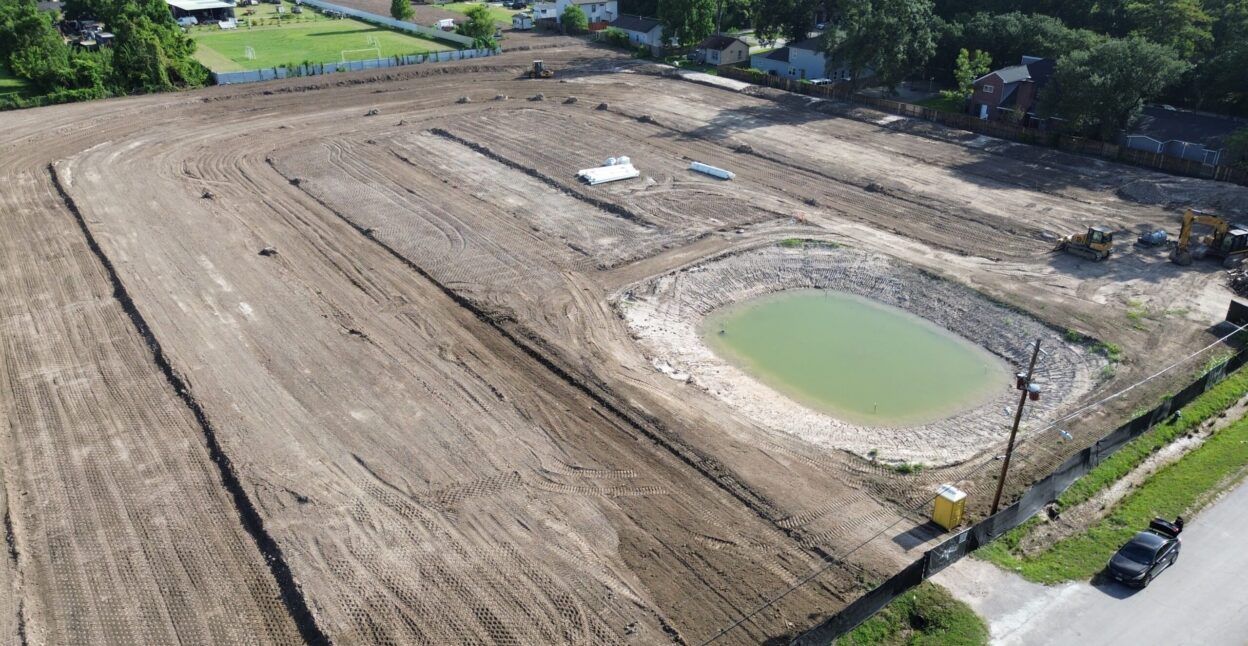
Houston-based developer Park Street Homes and the Houston Area Urban League have started work on a 5-acre development in Acres Homes called Legacy Oaks. The project will offer 23 homes and space for a community center to serve both Legacy Oaks residents and the broader Acres Homes community.
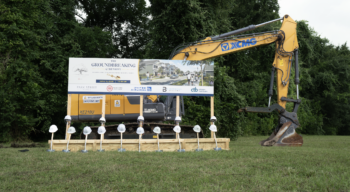
The development broke ground on Juneteenth 2026 at 1620 Bland St., near West Little York, and the first eight homes are slated for delivery toward the end of the year. The homes range from 1,300- to 1,600-square-foot properties, with lots sized in the 5,000-square-foot range. Prices start in the mid-$200s, with entry-level homes around $275,000. The developers are offering a $5,000 credit for those in police, fire or education professions.
In addition, the developers are partnering with the city of Houston, which offers a downpayment assistance program. Under the Homebuyer Assistance Program, first-time homebuyers with household income at or below 80% of the area median income can receive up to $75,000 for the purchase of a home taxed by the city of Houston. The no-interest loan is secured by a lien and is forgiven if the buyer lives in the home for five years.
Park Street Homes is serving as the general contractor for the project.
The project was made possible due to the donation of the land, which was gifted by community members to the Houston Area Urban League in 2007, according to Judson Robinson, president of the nonprofit.
"They donated that property to the Urban League with the promise that we would develop the property as something that would be beneficial to the community, especially the youth and the seniors in the area," Robinson said.
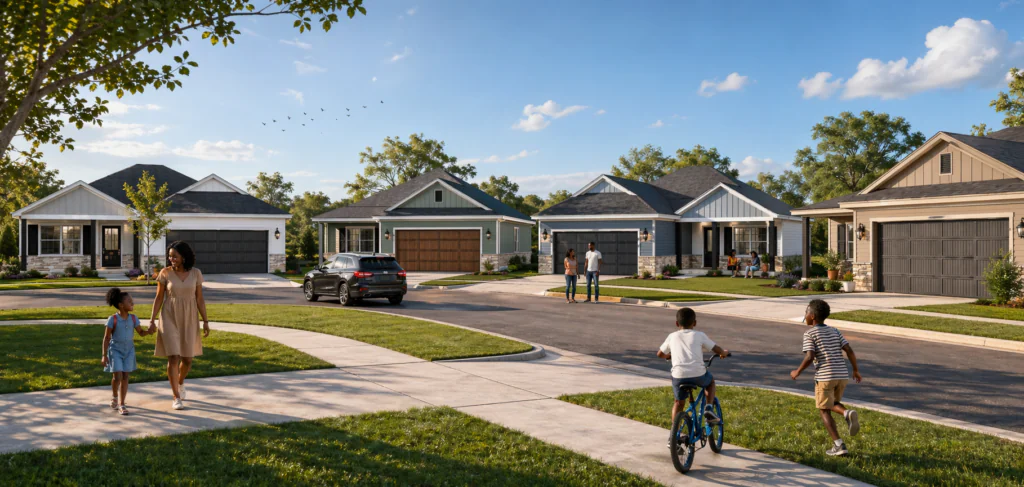
COURTESY LEGACY OAKS
The nonprofit owned the land for nearly 20 years, keeping up with maintenance and paying taxes, waiting for a project opportunity that aligned with its vision for the property. The growth and development of Acres Homes in recent years is part of what made the project possible, Robinson said.
"Jobs and industry has moved back into the community. The infrastructure of streets and utilities is improved. The people that are working in that neighborhood has increased, so the opportunity for rooftops and the complementary businesses that typically are associated with that has changed," Robinson said.
On the other hand, securing an affordable home in the area has become more of a challenge for people in the community. The project aims to prevent long-term residents from being priced out of Acres Homes by providing affordable high-quality options.
"We're trying to make these homes as such that they are within the price range of a plumber or electrician or a school teacher," Robinson said.
By spring 2027, the first families could be moving in, said Kevan Shelton, CEO of Park Street Homes.
Park Street Homes uses a "reflective design" process, taking cultural history of the area and community demographics into account when making architectural choices.
"This project is so important because its one-of-one in an existing community where those streets were laid out over 100 years ago," Shelton said. "A 100-year-old organization (the Urban League) has decided to honor the legacy of not only the neighborhood and what it was but (also) what the future could be through development."
Legacy Oaks also will include a community center run by the Urban League, the area's first in more than 60 years. The size of the center hasn't been finalized, but it will include space for workforce development and career pathway training, technology and artificial intelligence training, after-school enrichment for kids, and college and career planning. Services for seniors are expected to include benefits assistance, financial and technology education, and wellness activities.
Robinson said the new center will allow the community to have wider access to its programs and services while serving as an economic mobility engine for the area.
"We think this model and concept is something that many more developers need to have the mentality of," Robinson said.
Shelton said the center was always part of the vision for the development.
"That's a credit to the Urban League's vision," Shelton said. "When we can to the table, they had a very clear vision on what they wanted to achieve, and what we're able to do is layer on what we do from a residential development standpoint: mapping out the infrastructure and the pricing and the architectural design."
The Urban League hopes these types of nonprofit-led developments — providing affordable housing and economic development for communities — become more common.
"The people that donated that property to us, this is going to be part of their legacy," Robinson said. "I'm hoping that people read this and say, 'You know, that's not a bad circle of life.'"
The Urban League's annual gala is scheduled for Dec. 12. It will use those proceeds to pay for resources and the workforce it needs to operate.
Original article published By Janet Miranda – Reporter, Houston Business Journal Aug 20, 2026